Warp Faced, Weft Faced, and in between
terminologydesigndeep diveWoven fabric can be described on a spectrum as weft faced, weft dominant, balanced, warp dominant, or warp faced. Where a fabric will be on this spectrum is influenced by the yarns, the sett, and how hard you beat. These categories all have an impact on the feel of the fabric, the drape, patterning options, what uses it’s suited for, and what kinds of looms are good at producing it. So what does this all mean? What does it look like in practice?
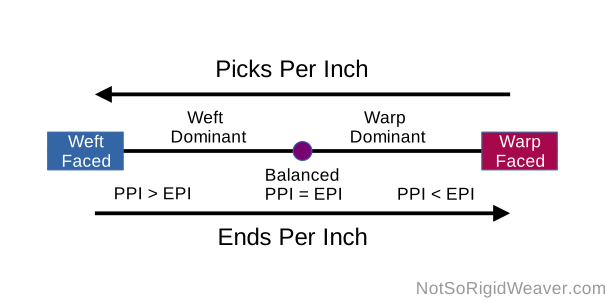
A weft faced fabric is one with high Picks Per Inch (PPI) where the warp doesn’t show up at all, except at the ends. A warp faced fabric is one with high Ends Per Inch (EPI) where the weft does not show up at all except at the edges. A perfectly balanced fabric is one that is even between warp and weft, where the EPI and PPI are the same. Warp or weft dominant is everything in between, and can range from just slightly not balanced, which is extremely common in both handwoven and commercial fabric, to almost faced. Sometimes the terms faced and dominant get mixed up, and these terms are also used to describe fabrics that aren’t quite perfectly faced or balanced!
The sett and the materials have the biggest impact on where on this spectrum the fabric will be, but how hard you beat is the other big variable. Faced fabrics at both ends of the spectrum use a firm beat, but in the middle you can have a dense balanced weave or a loose balanced weave, and similarly for warp and weft dominant weaves. A dense upholstery fabric or a delicate loose scarf could both be a balanced plain weave but with a tighter sett and firmer beat for the upholstery fabric. This is where the range on my Ashenhurst Sett Calculator comes from!
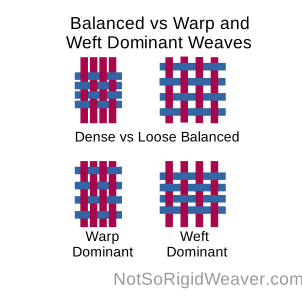
A very dense weave, whether balanced or dominant or faced, will make for a stiffer fabric. A light beat may make for a very loose fabric with visible gaps, suitable for a delicate scarf or a light filtering curtain; if it's so loose it's not very stable it's called sleazy. I think it's more important for most purposes to have a suitably dense fabric than a perfectly balanced one!
All of the references to EPI and PPI below are counted in the finished fabric; this makes them a bit higher than they were on the loom!
A weft faced fabric is made with a wider spaced warp and a strong beat. Often the warp is a thinner and/or smoother material than the weft, like a seine twine used in tapestry with a wool weft. This makes a dense fabric, suitable for something like a pillow case, rug, or wall hanging. Tapestries are typically weft faced, and it's also common in rugs where you can make interesting patterns through different combinations of colours. Rigid heddle looms are fine with weft faced fabric, but, you may want some extra assistance to beat in the weft every few rows - tapestry beater, the edge of a shuttle, a fork…
Perfectly balanced fabric is often viewed as an ideal, and most discussions of sett assume that this is the desired outcome. But not all fabric is or should be balanced! Balanced matters most with patterns that need to be square, like many plaids or overshot patterns, but even then there is some wiggle room - for example, you can weave larger areas so that they look square rather than have the same number of threads.
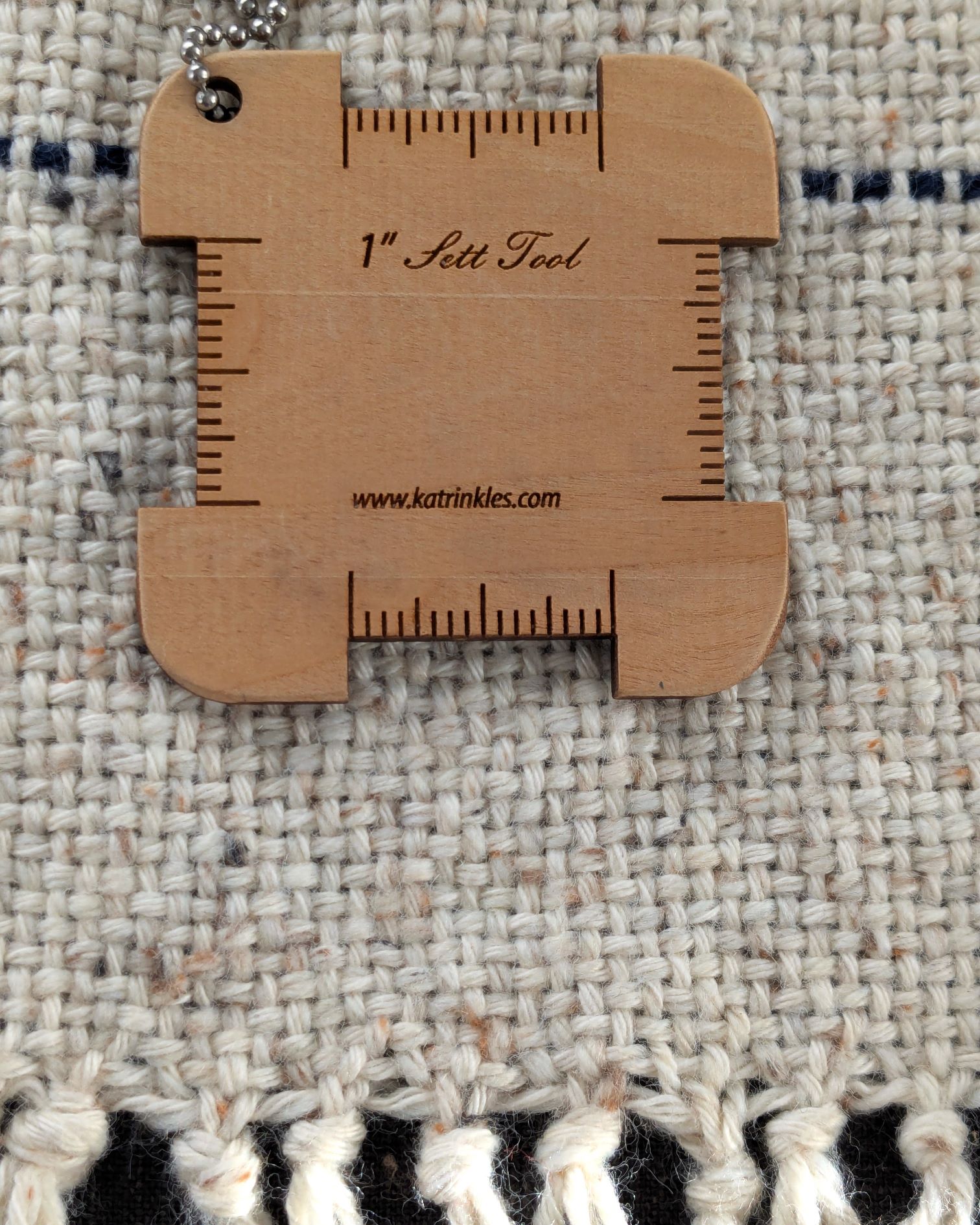
Warp dominant weaves will highlight warp stripes, while weft dominant ones will emphasize weft patterns. To really emphasize warp stripes without getting to a really stiff nearly faced fabric, you can use a thinner weft, or vice versa. Mixing thick and thin is a whole other variable I won't go into!
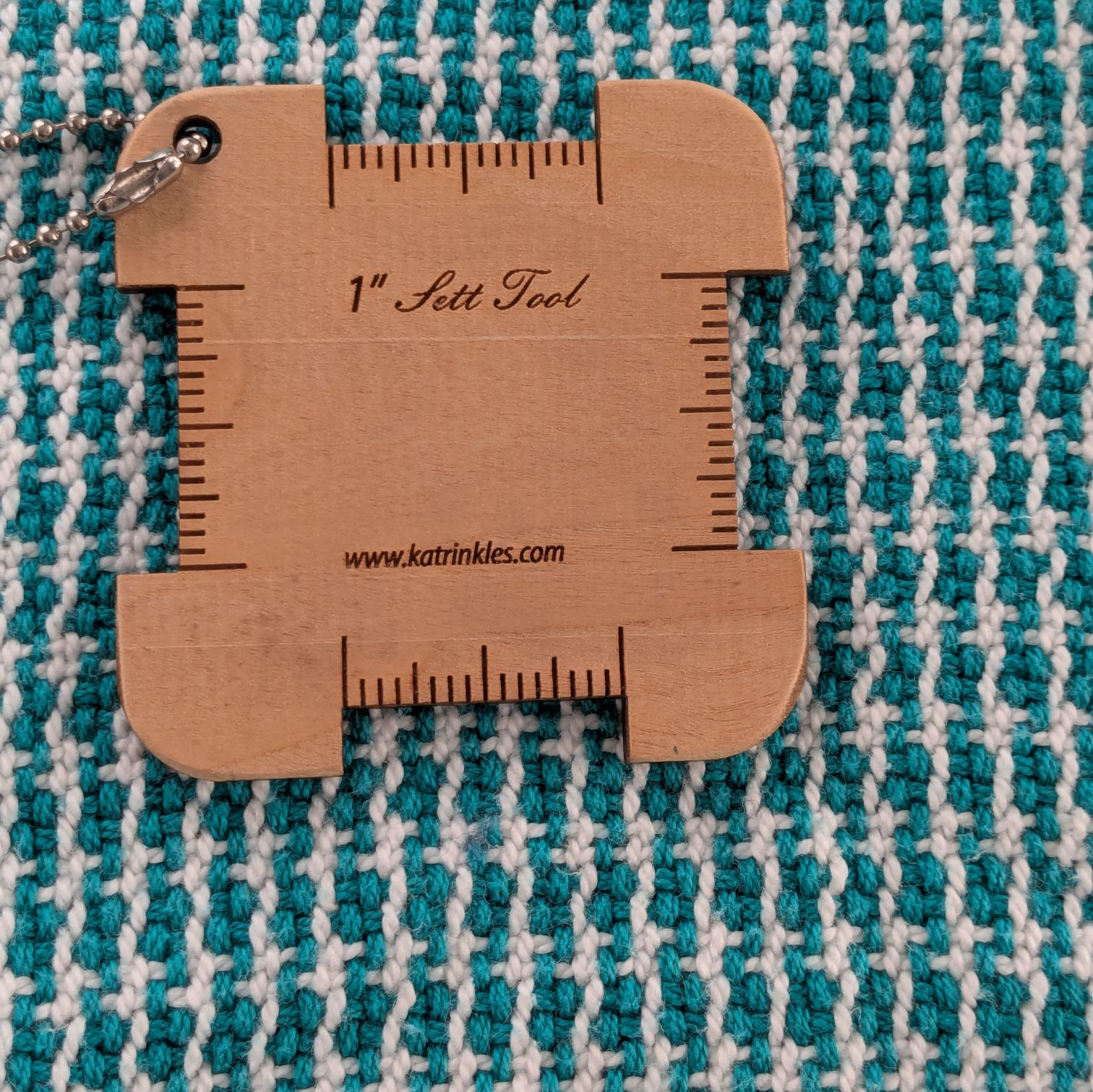
A warp faced fabric has a high ends per inch for the material, often around double the wraps per inch of the yarn. The picks per inch will be considerably lower than the ends per inch. The beat in a warp faced fabric is also generally quite firm, as it’s harder to get the threads in place. Woven bands very often use the same materials for both warp and weft - the weft is usually the cover of the border threads. Another common warp faced weave is known as is Rep weave, which alternates thick and thin weft yarns to produce a fabric with ridges; often used for things like placemats.
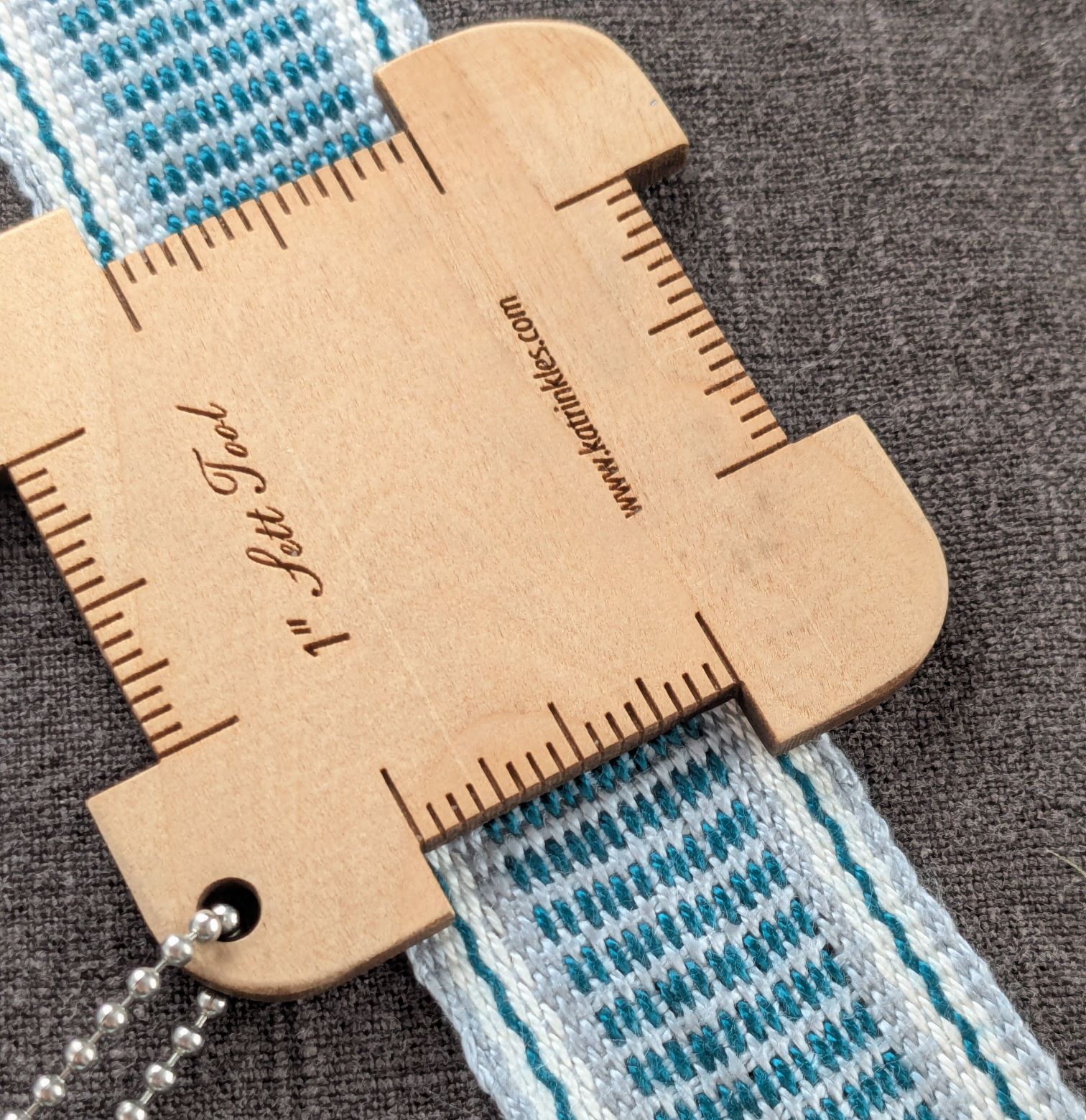
Rigid heddle looms aren’t great with warp faced fabrics. You can do narrow bands; use the smallest heddle you can, keep the heddle in the back position if you have more than one option, beat with a beveled shuttle or weaving sword, and aim for a lot of draw in. I think if you wanted to attempt a wider piece on your rigid heddle loom the thing to do would be to not use the heddle at all and set it up with string heddles similar to a backstrap style weave (which is great at doing warp faced!) - it’s something that I’d like to try some day but haven’t yet!
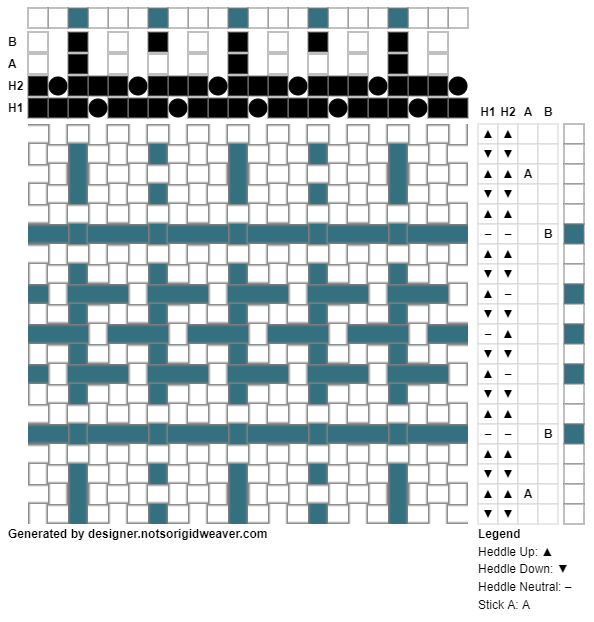
Warp and weft faced items are interesting because the patterning that comes out is quite different because adjacent threads snuggle up to each other and one will be on top while the other is on the bottom of any given warp thread in about the same 2d space. This makes the fabric notably thicker than something that's balanced or just dominant because it's basically 2 layers. The patterning options are essentially the same but rotated - you can use a weft faced weave to sample different ideas for a warp faced weave. For example, alternating picks of 2 different colours will produce vertical bars with a plain weave.
On a rigid heddle loom, we have less control over sett, which can make it harder to achieve a perfectly balanced fabric of a suitable density. But that’s ok! Peggy Osterkamp, who’s written books that dive pretty deep into sett, suggests erring on the side of being a little warp dominant for most fabrics, and that most commercial fabric is a little warp dominant. Most of the things I’ve woven have been a little warp dominant!
Check out Not So Rigid Designer, the online weaving software for rigid heddle loom weavers!